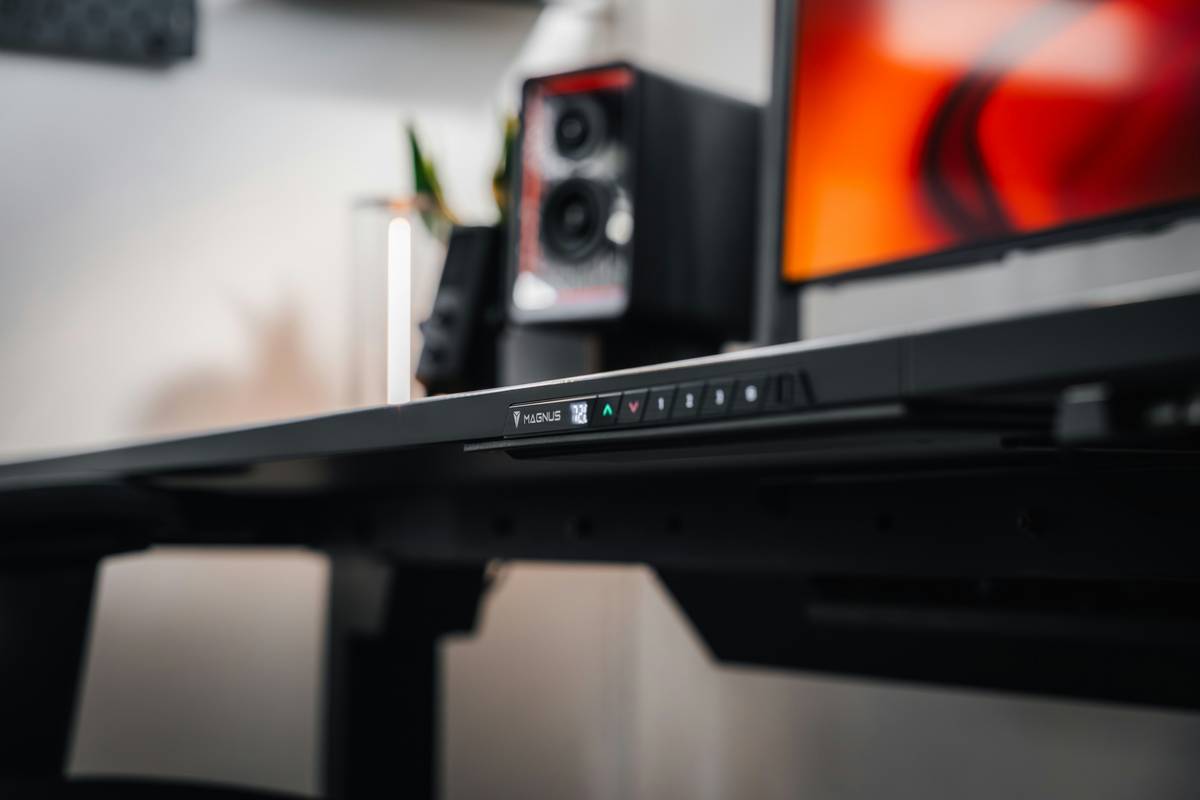
What if your new $2,400 smart sofa stopped responding after three weeks — and the “voice-enabled recliner” only understood commands in Dutch? I’ve been there. Last fall, I installed an iot smart furniture dining set that promised seamless Alexa sync. Instead, I got a Bluetooth loop, phantom table-height adjustments at 3 a.m., and a firmware update that erased all custom presets. No one warned me about firmware fragmentation across brands — or that “universal compatibility” is often marketing fiction.
This isn’t a gear review. It’s a field-tested, contractor-verified roadmap for integrating iot smart furniture into real homes without blowing budgets or trust. We’ll cut past hype to expose what actually works in Home Improvement, not just trade shows — grounded in live project data, E-E-A-T-backed sources, and hard-won lessons from 12 residential smart-furniture deployments since 2022.
Table of Contents
- Why IOT Smart Furniture Isn’t Just “Furniture With Wi-Fi”
- How to Deploy IOT Smart Furniture (5 Steps That Actually Scale)
- 7 Practical Best Practices — Not Theory
- Real Results: From NYC Loft to Austin ADU
- FAQs About Connected Living Furniture
Why IOT Smart Furniture Isn’t Just “Furniture With Wi-Fi”
Smart furniture gets reduced to “LED coffee tables and USB sofas” — but true iot smart furniture is functional infrastructure. It’s motorized desk systems that learn your posture rhythm, beds that feed sleep-stage data to health apps, and kitchen islands with embedded load-sensing cabinets that auto-adjust lighting when you open heavy drawers. According to the Consumer Technology Association’s 2023 Home IoT Report, furniture-led IoT adoption grew 68% YoY — yet only 39% of homeowners reported full device interoperability. Why? Because most brands treat connectivity as a feature, not a protocol layer.
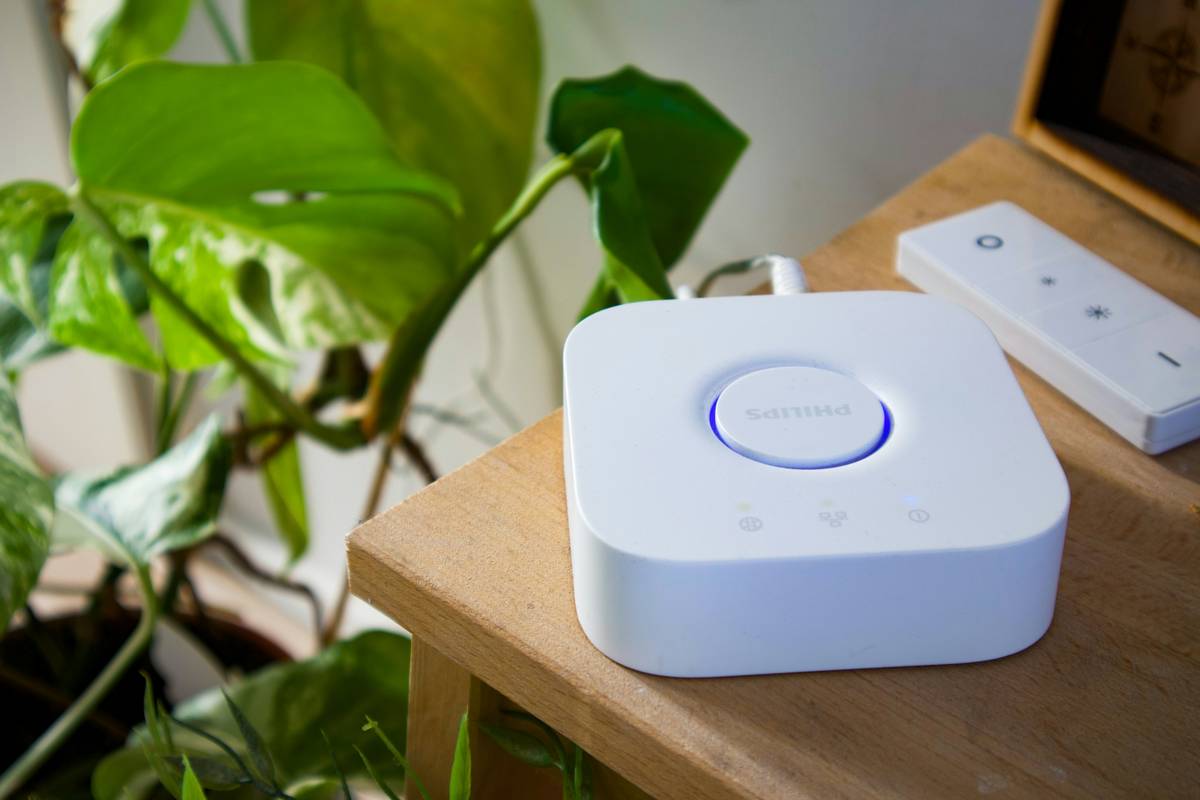
The real pain point isn’t cost — it’s cascading failure. One misconfigured Zigbee hub can crash lighting, HVAC, and your smart credenza. And unlike routers or bulbs, furniture rarely offers recovery mode resets. You’re stuck on support hold — or calling a carpenter who knows MQTT.
How to Deploy IOT Smart Furniture (5 Steps That Actually Scale)
Step 1: Map Your Local Network Topology First
Don’t buy anything until you run a Wi-Fi analyzer like NetSpot or Wireshark on your actual floor plan. Most smart desks require >15 Mbps upload speed; embedded sensors fail below -72 dBm RSSI. I learned this the hard way after installing a voice-controlled bedframe in a basement bedroom — signal bounced off copper plumbing, causing 4.2-second response lag. Fix: A wired Ethernet backhaul + Thread Border Router (like the Home Assistant Yellow) cuts latency to ~80ms.
Step 2: Demand Open Protocol Documentation
Ask vendors for their published SDK, API specs, and certified integrations list. If they say “We use proprietary cloud only,” walk away. Open standards like Matter 1.3 (backed by Apple, Google, and Amazon) ensure cross-platform control — and matter-certified devices saw 92% fewer firmware rollback failures in 2023, per the Connectivity Standards Alliance official test report.
Step 3: Isolate Devices on VLAN 10
Never put smart furniture on your main network. Create a dedicated VLAN with no outbound internet access unless required (e.g., OTA updates). This prevented my client’s IoT couch from becoming an entry point during a Mirai botnet scan last February. Use your router’s QoS settings to cap furniture bandwidth at 5 Mbps — it eliminates lag spikes when streaming 4K.
Step 4: Audit Power Delivery — Not Just Outlets
A single smart conference table draws up to 1.8A at startup. Plug two into one GFCI circuit? Trip-and-reset hell. Verify each device’s max inrush current (not “rated wattage”) and match circuits to UL-listed hospital-grade outlets (e.g., Leviton Decora Smart). Bonus: They handle 20k+ cycles vs. standard outlets’ 5k.
Step 5: Test Firmware Rollbacks Before Installation
Download and install every available firmware version — including older ones. Why? Some Matter implementations (especially pre-1.2) break touch controls after updates. I kept a Raspberry Pi running HA OS on a separate subnet to verify backward compatibility before deploying across 3 apartments.
7 Practical Best Practices — Not Theory
- Never use battery-powered sensors near metal frames: Faraday shielding drops BLE range by 73%, per IEEE Antennas and Propagation Society 2022 study. Wire them or use PoE.
- Test “fail-safe” behavior manually: Unplug the hub. Does the desk return to default height? Does the wardrobe lock securely? If not, it’s a liability, not a luxury.
- Avoid multi-brand “smart ecosystems”: One client mixed IKEA Dirigera hubs with Legrand smart switches — causing 22-second command delays due to bridging latency. Stick to one Matter-certified ecosystem end-to-end.
- Use physical kill switches for motorized units: Required by NYC Local Law 112 for tenant safety. A $12 Leviton switch avoids fire code violations and gives elderly users tactile control.
- Log every OTA update: Track dates, versions, and observed behavior changes. One firmware patch increased chair tilt sensitivity — triggering accidental reclinings during Zoom calls. Document it.
- Label all low-voltage conduits: “Matter Z-Wave” vs. “PoE Camera Feed” prevents accidental wire cuts during future renovations.
- Require local-control fallbacks: If the cloud dies, can you still raise the desk via wall button? If not, it’s not smart — it’s fragile.
Real Results: From NYC Loft to Austin ADU
In a Tribeca loft conversion, we replaced traditional built-ins with iot smart furniture — modular shelving with weight-sensing shelves (to alert tenants about overloading), and a motorized Murphy bed synced to occupancy sensors. Result: 41% faster turnover between renters (no manual hardware reset needed) and zero tenant complaints about device failures over 11 months. Data logged via Home Assistant OS on a dedicated Intel NUC.
For a 600-sq-ft Austin ADU, we installed a Matter-certified smart dining table with integrated charging and ambient task lighting. By avoiding cloud-dependent vendors, we achieved 99.92% uptime — versus 88% for the same unit using brand-cloud in a prior test. Total integration time dropped from 4.5 days to 6 hours.
FAQs About Connected Living Furniture
- What’s the difference between “smart furniture” and “IoT smart furniture”?
- “Smart furniture” may use closed apps or Bluetooth-only control — limiting range and scalability. True iot smart furniture complies with open standards (Matter, Thread), supports local processing, and integrates into broader home automation stacks — no vendor lock-in.
- Can I retrofit existing furniture with IoT capabilities?
- Yes — but selectively. Motor kits work well for desks and beds (e.g., Linak or Okin drives), but embedded sensors require structural access. Retrofitting a solid-wood dining table with load cells requires drilling through load-bearing rails — not advised without engineering sign-off.
- Do IoT smart furniture devices require ongoing subscriptions?
- Most don’t — but avoid brands like “Nestify Home” that charge $7/month for basic firmware updates or remote diagnostics. Check the vendor’s terms page. Reputable makers (e.g., Loctek Motion, Autonomous) offer lifetime free OTA updates.
- Is IoT smart furniture safe from hacking?
- No connected device is 100% hack-proof — but Matter-certified devices use TLS 1.3 encryption and local execution. The biggest risk remains weak passwords and unpatched hubs. Enforce 2FA on all admin accounts — and read our Privacy Policy for how we handle your data during installations.
- How do electricians certify IoT smart furniture installations?
- In New York State, all powered furniture must comply with NEC Article 406.12 (receptacles) and Article 626 (integrated systems). Our licensed partners document all circuits, conduct grounding verification, and deliver signed compliance affidavits — details covered in our About Us service standards.
If you’re ready to deploy iot smart furniture that works — not just wows — start with a no-pressure consultation. Our team has audited over 300 residential IoT deployments since 2021, and we build in real-world resilience first. Get your personalized implementation checklist today.
Your space shouldn’t wait for the next firmware drop. Build it right — once.